
Dopamine vs Serotonin: What Your Body Needs More of in Winter
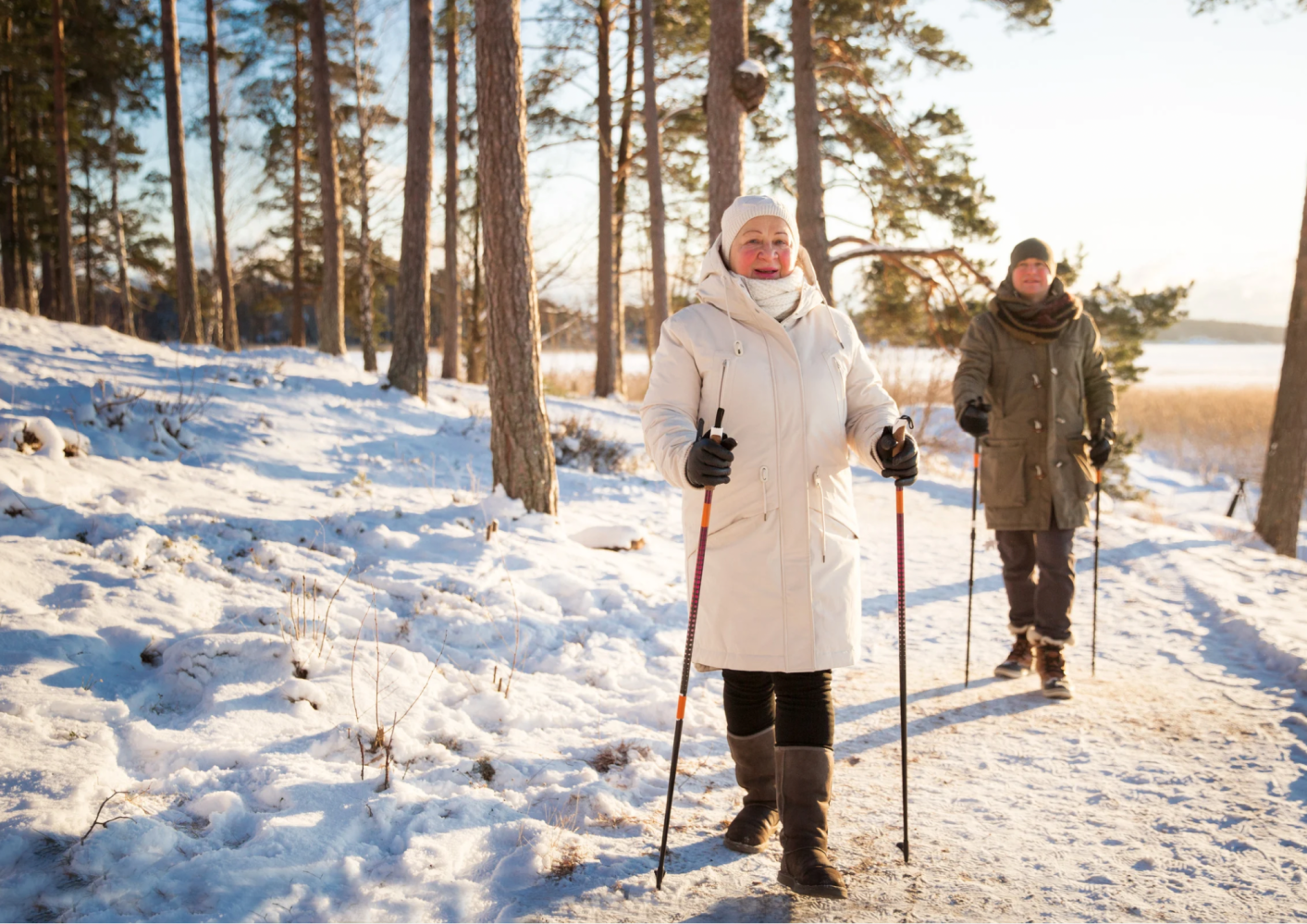
Winter doesn’t just change the weather—it changes your brain chemistry.
Many people assume in winter, low mood means they need more motivation. In reality, what’s often missing isn’t dopamine—it’s serotonin.
Understanding the difference can change how you care for yourself this season!
Dopamine and Serotonin: A Simple Distinction
Dopamine is about drive, novelty, reward, and forward motion.
Serotonin is about safety, contentment, and emotional stability.
Summer naturally supports dopamine: longer days, more movement, more stimulation. This lends itself to more action and motivation, which can feel empowering and rewarding.
Winter strips that away—and asks us to rely more on serotonin and a regulated nervous system instead.
How Winter Causes Serotonin Depletion

In winter, sunlight decreases and serotonin is light-dependent. Social interaction also decreases, routines are disrupted, and nervous systems are more mobilized into “threat mode”.
All of these changes threaten the feeling of safety, contentment, and emotional support that our nervous systems need to feel good and joyful.
Because our society also equates joy = accomplishment, we end up chasing dopamine to fix a serotonin deficit. We don’t need to produce MORE to feel good. We don’t need more caffeine, sugar, and forcing goals that don’t feel aligned.
We need more nervous system regulation: peace, routines, and actions that revolve around safety, not external validation.
Signs you need serotonin, not motivation:
🧠 You feel restless but unmotivated
🧠 Productivity doesn’t improve mood
🧠 Achievements feel hollow
🧠 You’re tired but wired
Supporting Dopamine and Serotonin in Winter
Gentle Dopamine (without depletion):
- Small, achievable tasks
- Rhythmic movement
- Light novelty (new tea, new walk route)
- Creative play without pressure

Serotonin Support (the key for Winter):
- Morning light exposure
- Warmth and physical comfort
- Predictable routines
- Safe social connection
- Rest without guilt
Winter brains thrive on steadiness, not spikes.
When serotonin is supported, dopamine follows naturally—without force.
You don’t need to hack your brain this season.
You need to care for it like it’s in winter.
And when you do, winter becomes less heavy—and far more genuine and connective.