Sound as Medicine: How Birds & Wind Regulate the Vagus Nerve 🐦
One of the most powerful healing elements on the Big Island isn’t something you see — it’s something you hear.
Birdsong. Wind through trees. Distant ocean rhythm.
It’s not pseudoscience that natural soundscapes feel calming, they actively influence the nervous system.
Natural Sound vs. Urban Noise
Modern life surrounds us with mechanical, unpredictable noise — traffic, notifications, HVAC systems, construction. These sounds tend to be:
- Sharp or high-frequency
- Irregular and abrupt
- Associated with activity or alertness

Our nervous system interprets many of these sounds as potential signals of threat or urgency. Even at low levels, chronic urban noise has been shown to elevate stress hormones and increase baseline tension.
However, in a forest or coastal setting on the Big Island, sound tends to be:
- Rhythmic (waves, wind)
- Layered (multiple bird species at once)
- Patterned but not abrupt
This kind of acoustic environment signals safety to the body.
The Vagus Nerve & Why Sound Matters
The vagus nerve is a primary regulator of the parasympathetic nervous system — the “rest and digest” state. Learn about the Vagus Nerve 101 in our comprehensive blog post HERE (link)!
When we feel safe, the vagus nerve supports:
- Slower heart rate
- Easier breathing
- Improved digestion
- Emotional regulation
Research suggests that certain frequencies and natural rhythms stimulate vagal tone. Low, steady sounds — like wind moving through a canopy or distant surf — provide predictable sensory input. Predictability equals safety in the brain.
In a cloud forest environment, mist softens sound, and dense vegetation diffuses sharp echoes. The result is an enveloping acoustic field that reduces startle responses and encourages physiological downshift.
How Birdsong Entrains the Brain
One of the most fascinating elements of forest soundscapes is layered birdsong.
Unlike a single repetitive tone, bird calls create:
- Variable pitch
- Gentle pauses
- Overlapping harmonics
The brain naturally synchronizes — or “entrains” — to external rhythmic patterns. This is similar to what happens during sound baths or rhythmic drumming practices.
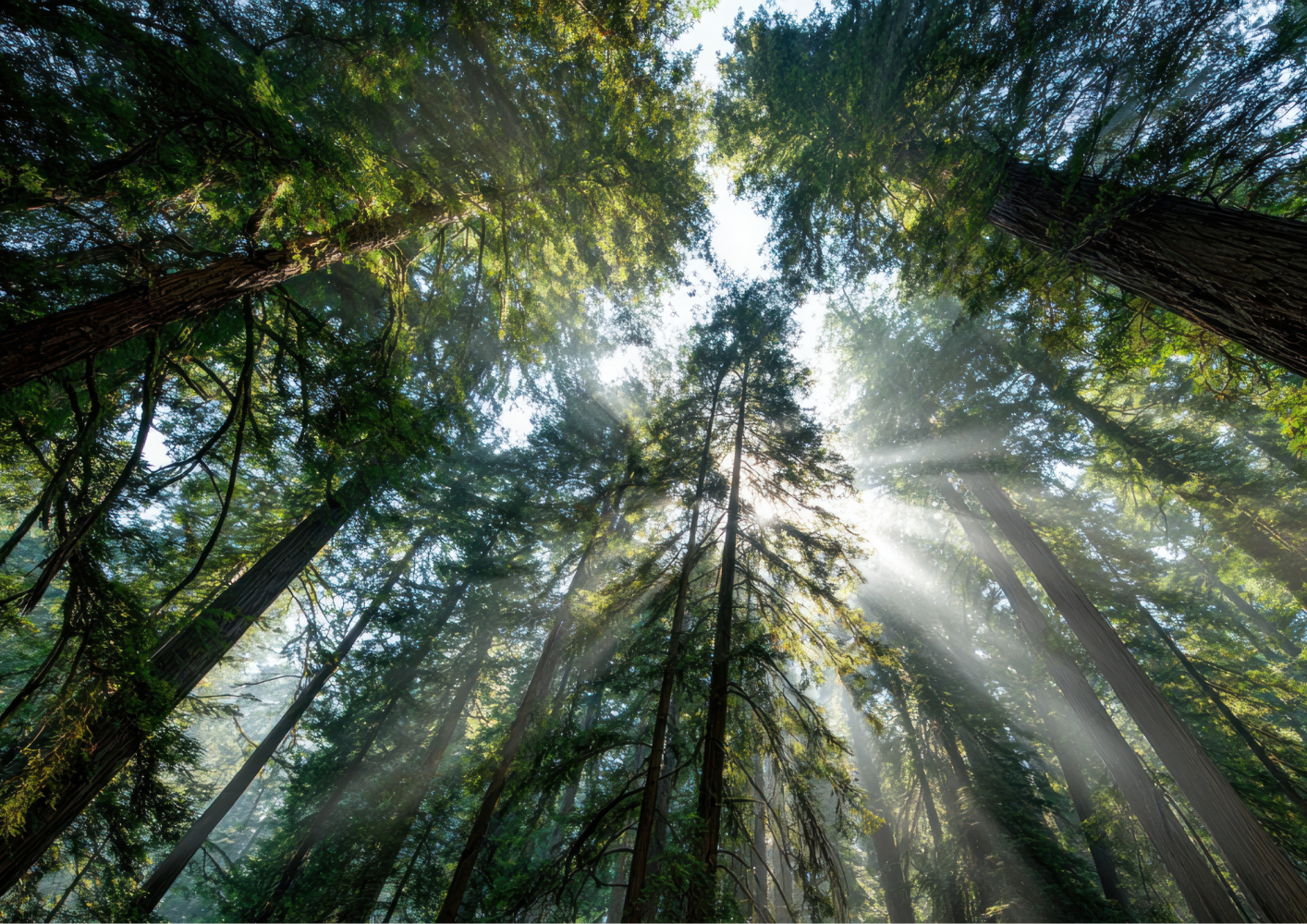
Layered natural sound can guide brainwaves toward slower frequencies associated with relaxed wakefulness and light meditative states. In this way, a biodiverse forest becomes its own subtle sound bath.
In places like Kona’s cloud forest, birdsong doesn’t dominate — it interweaves with wind and distant movement. This layered effect creates depth rather than overstimulation.
Why Natural Frequencies Feel Safer to Our Biology
From an evolutionary perspective, humans developed within natural sound environments. For most of our history, wind, water, insects, and birds were the background of daily life.
These sounds meant:
- Weather patterns
- Ecological stability
- Community proximity
Sudden silence or abrupt mechanical noise, by contrast, could signal danger.
Today, when we step into intact ecosystems on the Big Island — whether a cloud forest, coastal preserve, or quiet bay — our nervous system recognizes a biological memory of safety.
Experiencing Sound as Medicine in Hawaiʻi
If you’re looking for relaxing things to do on the Big Island, consider experiences that prioritize listening.
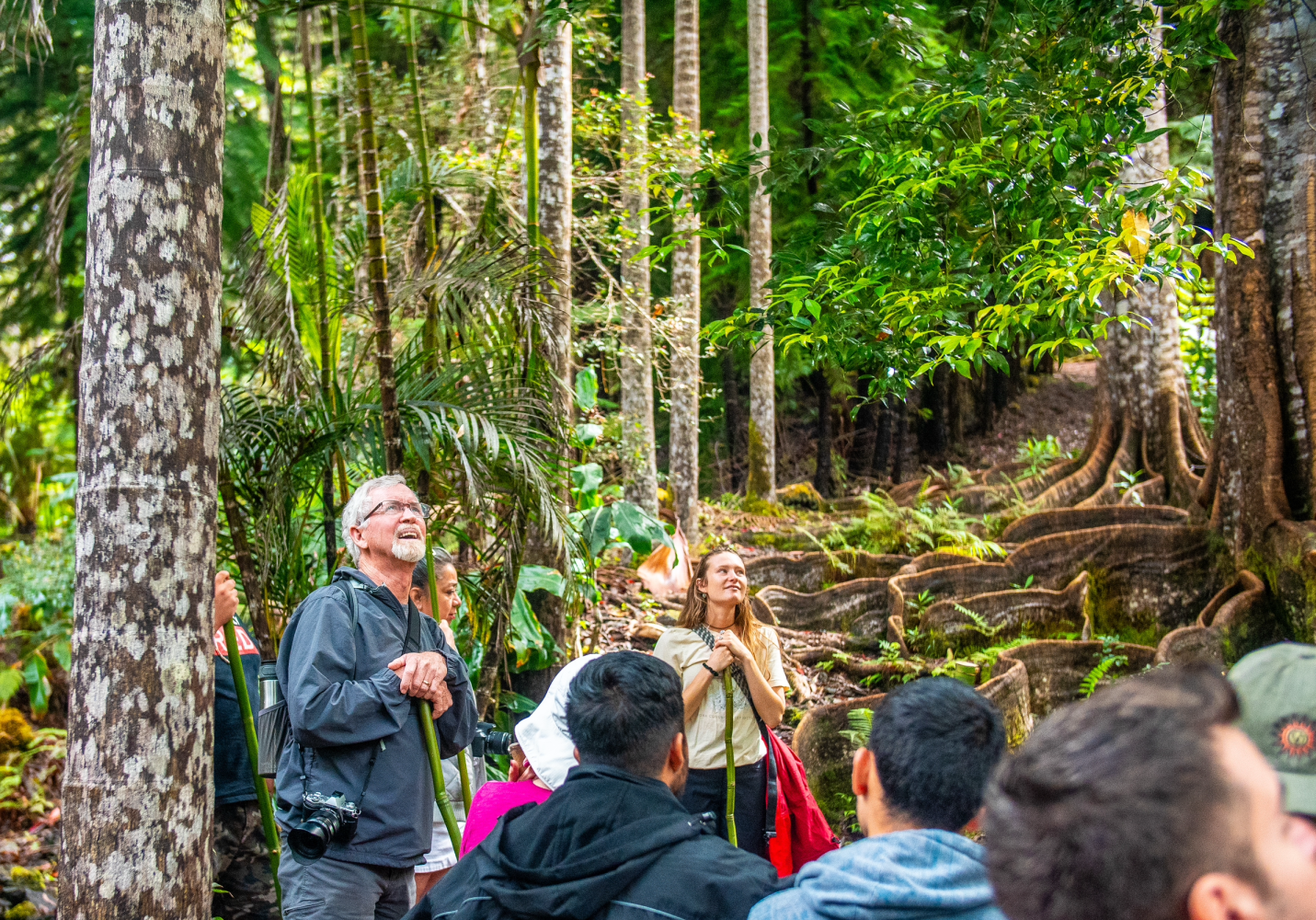
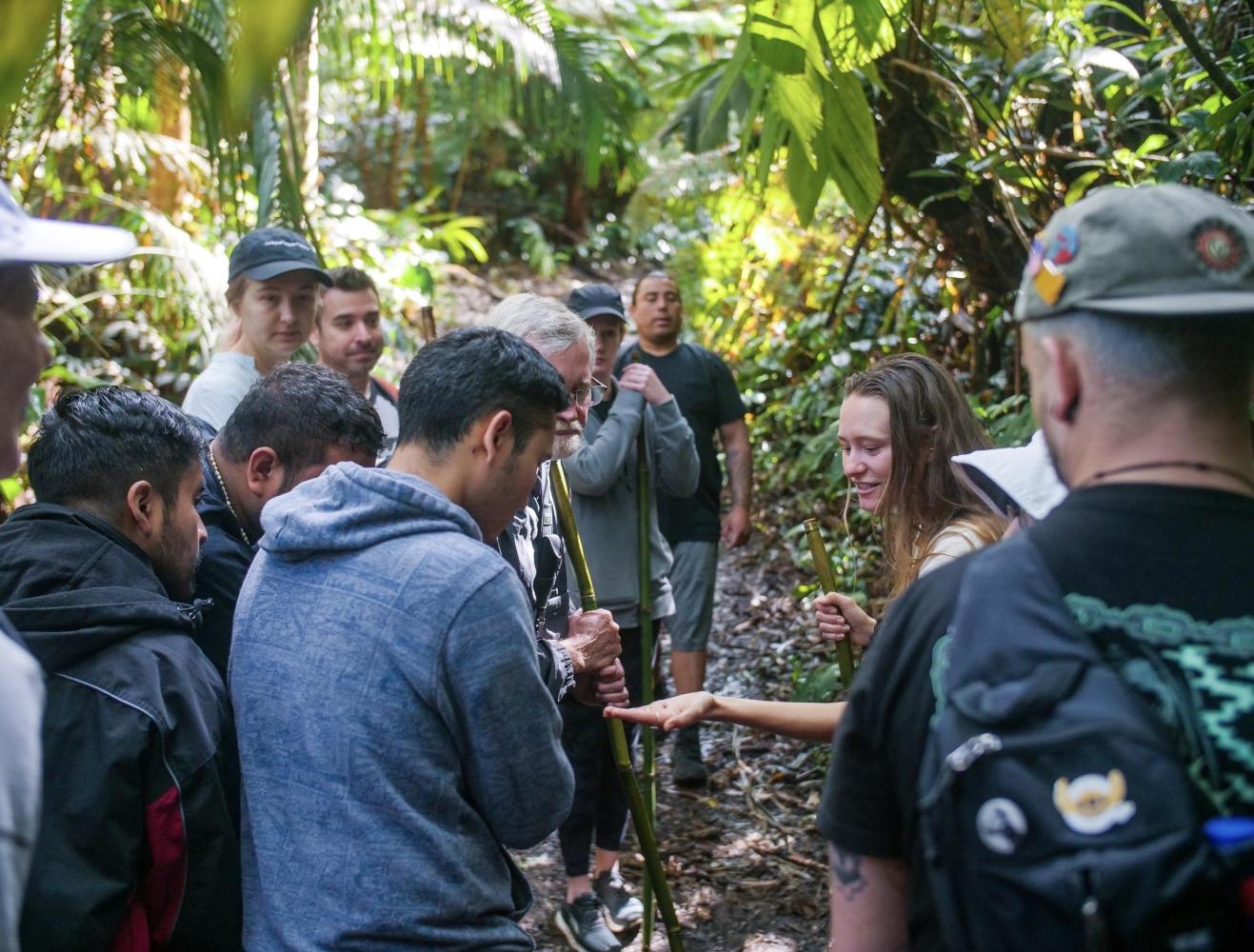
- Forest bathing in a biodiverse ecosystem like the Kona Cloud Forest Sanctuary
- Sitting quietly at sunrise near the ocean
- Walking slowly without headphones
At Kona Cloud Forest Sanctuary, many visitors report that the soundscape itself feels therapeutic — before any formal practice begins.
The forest hums.
The wind moves.
Birds call and respond.
And slowly, the body follows.
A Simple Practice for Visitors
The next time you’re in a natural setting in Hawaiʻi:
- Close your eyes.
- Identify the farthest sound you can hear.
- Then notice the closest.
- Let your breathing match the rhythm of wind or waves.
Give it three minutes.
You may notice your shoulders drop, your breath deepen, your thoughts soften.
Kona Cloud Forest Sanctuary sprouted in 1982 as a passionate reforestation project from the hands of our Grandpa Norman — and today, it flourishes as a biodiverse jungle and a sanctuary of transformation.
As the forest has grown, the heart of our mission has remained rooted in one purpose: connecting humanity back to nature.
Through our enriching eco-tours, sound healing, yoga, malama ‘āina volunteer events, and more, we guide you into a world of awe-inspiring connection, education, transformation and inner peace. Book your next life-changing experience at konacloudforest.com