
What Is Sustainable Dopamine? Here’s How To Work With Our Evolutionary Biology
If you feel more tired, less motivated, or a little “muted” during the winter months, you’re not imagining it, and you’re not broken. Winter asks something different of our nervous system, our hormones, and our expectations of productivity.
Understanding dopamine’s seasonal rhythm can help us move out of self-blame and into more sustainable ways of feeling energized, focused, and emotionally regulated!
Dopamine and Winter: An Evolutionary Perspective
Dopamine is often misunderstood as the “pleasure chemical,” but it’s more accurately a motivation and goal-directed behavior neurotransmitter.
Dopamine helps us seek, hunt, explore, and build.
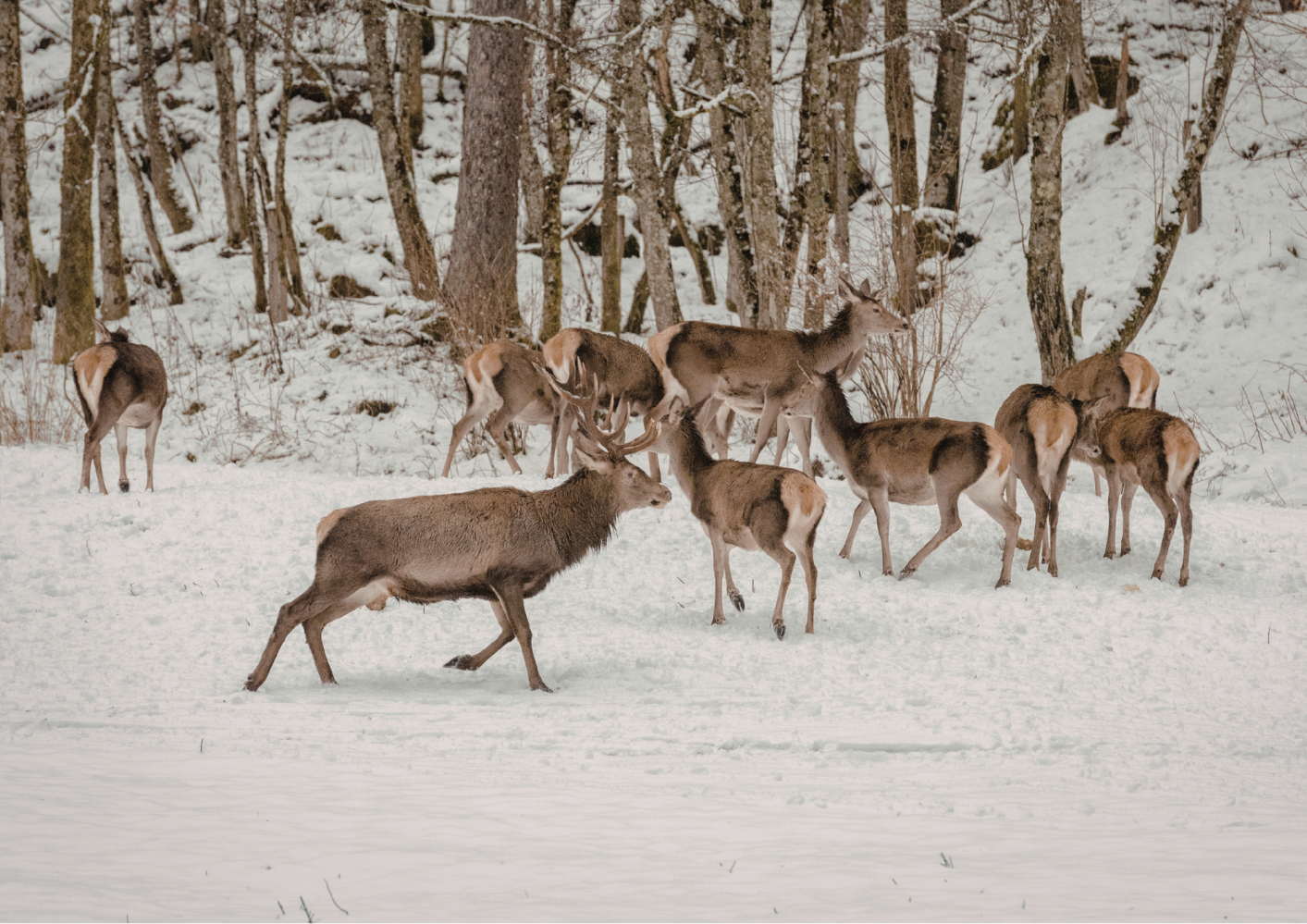
In ancestral environments, winter was not a time for constant expansion. Food was scarce. Travel was risky. Rest and social bonding were essential for survival.
Lower dopamine in winter may have served several evolutionary purposes:
- Reduced risk-taking during dangerous conditions
- Lower energy expenditure when calories were harder to find
- More inward focus, strengthening memory, storytelling, and social cohesion
- Greater sensitivity to reward, making small successes more meaningful
The problem isn’t that dopamine drops in winter — it’s that modern life doesn’t slow down with it.
“Quick” vs Sustainable Dopamine in Winter
When dopamine is low, it’s tempting to reach for fast, artificial boosts like excessive caffeine, sugar and refined carbs, endless scrolling, and overworking to “push through”.
These give short spikes, followed by deeper crashes — leaving us more depleted, anxious, and foggy over time.

What winter asks for instead is sustainable dopamine: gentle, steady signals to the brain that effort is worthwhile and safety is present.
Sustainable dopamine comes from activities that:
- Involve effort with meaning
- Create a sense of progress, not pressure
- Support the nervous system instead of overstimulating it
- Align with seasonal rhythms rather than fighting them
Think slow burn, not fireworks.
How to Support Dopamine Naturally in Winter
1. Prioritize Morning Light (Even When It’s Cloudy)
Light is one of dopamine’s strongest regulators. Morning light exposure helps:
- Signal wakefulness to the brain
- Regulate multiple systems in the body including sleep, energy, hormones, and even skin health
- Improve dopamine receptor sensitivity
Even 10–20 minutes outdoors in the morning — bundled up, cloudy skies included — can make a meaningful difference.
2. Choose Movement That Warms Rather Than Depletes
High-intensity workouts can be supportive, but in winter many people benefit more from:
- Walking
- Gentle strength training
- Yoga, mobility, or slow flow practices
- Movement paired with breath
These forms of movement increase dopamine without overwhelming the nervous system.

3. Create Small, Finishable Goals
Dopamine responds to completion, not magnitude.
Instead of big resolutions, aim for:
- One creative task finished
- One space tidied
- One nourishing meal prepared
- One meaningful connection
Each completion reinforces the brain’s motivation circuitry — especially important when baseline dopamine is lower.
4. Through Meaning and Contribution
Dopamine isn’t only released when we chase goals for ourselves — it also rises when we contribute to something larger than us, making it steadier and more resilient than quick rewards.
- Acts of service
- Volunteering
- Showing up for community
Winter has historically been a time of mutual support — sharing resources, tending fires, caring for one another — and our biology still responds deeply to that rhythm.
5. Lean Into Novelty — Gently
Novelty boosts dopamine, but winter novelty doesn’t need to be extreme:
- Try a new recipe
- Take a different walking route
- Read a genre you don’t usually choose
- Learn something seasonal (fermentation, bread-making, herbalism)
Small novelty signals safety and curiosity without overstimulation.
6. Nourish Dopamine at the Nutritional Level
Dopamine is synthesized from the amino acid tyrosine, supported by:
- Adequate protein
- B vitamins
- Iron
- Omega-3 fatty acids
Warm, protein-rich meals and mineral-dense foods support neurotransmitter production more sustainably than sugar or stimulants.
Reframing Winter Dopamine
Rather than asking, “How do I feel motivated like I do in summer?”
A better winter question might be:
“What kind of motivation fits this season?”
Winter dopamine is quieter. It’s found in consistency, warmth, completion, and connection. When we respect that rhythm, energy often returns — not as urgency, but as steadiness.
And that kind of dopamine tends to last.